
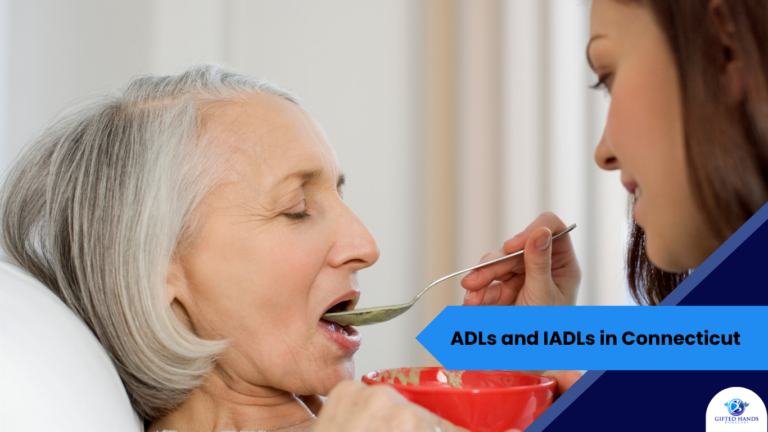
ADLs and IADLs in Connecticut: What They Mean for CHCPE Eligibility
When a senior in Connecticut starts struggling with the basics of daily life, two terms come up quickly in any conversation about home care support: ADLs and IADLs. These are not just clinical labels. They are the criteria the state uses to determine whether someone qualifies for programs like Adult Family Living or Personal Care Attendant under the Connecticut Home Care Program for Elders, and at what level of support they are eligible to receive.
Understanding what these terms mean and how Connecticut’s Medicaid program applies them is one of the most practical things a family can do before starting the eligibility process.
Why ADLs and IADLs Matter for Home Care in Connecticut
The Connecticut Home Care Program for Elders, known as CHCPE, is built around one central question: does this person need help to live safely at home? The way Connecticut answers that question is through an assessment of the individual’s ability to complete Activities of Daily Living and Instrumental Activities of Daily Living.
These two categories form the functional eligibility threshold for CHCPE. The ADL and IADL assessment is what sets the process in motion, and it directly determines which services are approved and, under AFL, what the caregiver’s stipend level will be.
What Are Activities of Daily Living?
Activities of Daily Living, or ADLs, are the physical tasks that make up the most basic layer of self-care. They are the things a person needs to do every single day just to be clean, fed, dressed, and safe. For CHCPE eligibility in Connecticut, ADLs are the primary measure of functional need.
The ADLs the assessed under CHCPE include:
- Bathing and personal hygiene — the ability to wash independently, manage grooming, and maintain cleanliness without assistance
- Dressing — selecting appropriate clothing and managing the physical process of putting it on and taking it off
- Eating — the physical ability to consume food safely, including chewing and swallowing
- Toileting — independently accessing the toilet, managing clothing, and maintaining hygiene throughout
- Transferring — safely changing positions, such as moving from lying down to sitting or from a chair to standing
- Mobility — the ability to move through the home without falling or requiring physical assistance
- Medication management — taking the correct medications at the correct times without oversight
One point that surprises many families: a senior does not have to be fully unable to complete a task in order for it to count. If someone can go through the physical motions of bathing but cannot do so safely without supervision, verbal prompting, or step-by-step guidance, that level of dependency is factored into the Connecticut assessment. The question is not just whether someone can do something, but whether they can do it safely and consistently without support.
What Are Instrumental Activities of Daily Living?
Instrumental Activities of Daily Living, or IADLs, sit one level up from basic self-care. They are the tasks involved in running daily life independently, things that require judgment, planning, and cognitive organization rather than just physical ability. A senior can be physically able to dress and bathe themselves while still being genuinely unable to manage IADLs safely on their own.
Under CHCPE, IADLs that are considered as part of the broader care picture include:
- Meal preparation — planning nutritionally adequate meals, cooking safely, and managing cleanup
- Shopping — independently purchasing food and household necessities
- Transportation — getting to and from medical appointments and other essential destinations
- Housekeeping — keeping the living environment clean, safe, and functional, including laundry
- Medication management — tracking prescriptions, refills, dosages, and timing accurately
- Managing finances — handling bills, accounts, insurance paperwork, and day-to-day financial decisions
For seniors living with cognitive conditions such as Alzheimer’s disease or dementia, IADL decline is often where difficulties first become visible. The ability to manage money, track medications, or plan meals can erode significantly before physical ADL challenges appear. The agency on aging care manager considers this full picture during the assessment, not just what the senior can do physically.
How ADL and IADL Needs Change Over Time
ADL and IADL difficulties rarely appear suddenly. For most seniors, IADL challenges tend to emerge first. Managing medications, keeping up with finances, or planning and preparing meals may become inconsistent or unsafe before bathing or dressing becomes a physical challenge.
Recognizing this pattern early matters. IADL decline is often the first sign that a senior will need more structured support in the near future. Families who identify these changes early have more time to explore CHCPE programs before a situation reaches a point of crisis.
When ADL difficulties begin to develop alongside IADL challenges, the level of daily support needed increases significantly. This is also the stage where the care level assigned during the assessment becomes more consequential, particularly for AFL caregivers in Connecticut whose stipend is tied directly to the complexity of the senior’s needs.
How CHCPE Uses ADLs to Determine Program Eligibility
To qualify for CHCPE in Connecticut, a senior must be 65 years of age or older, a Connecticut resident, and assessed as needing assistance with Activities of Daily Living due to age, disability, or chronic illness. The level of need is evaluated through an in-home assessment conducted by an Agency on Aging care manager, who looks at how much support the senior requires to complete daily tasks safely and consistently.
Cognitive and behavioral needs are also considered. For seniors living with dementia or Alzheimer’s disease, behaviors such as wandering, confusion, or resistance to care are factored into the assessment. A diagnosis alone does not determine eligibility. What the assessment looks at is the real, day-to-day functional impact of that condition on the senior’s ability to complete ADLs safely.
ADLs and Care Levels Under AFL and PCA in Connecticut
Adult Family Living
Under the AFL program, once a senior is determined to be functionally and financially eligible for CHCPE, the agency on aging care manager assigns a care level based on the complexity and intensity of the senior’s daily needs. Connecticut uses four care levels under AFL, with the care level directly determining the caregiver’s monthly tax-free stipend. The more support a senior requires across ADLs and behavioral needs, the higher the assigned care level and the higher the caregiver’s compensation, up to $2,700 per month.
For families preparing for the assessment, understanding that ADL complexity and frequency of support needed are the primary factors in care level assignment helps ensure the assessment reflects the true picture of daily life.
Personal Care Attendant
Under the PCA program, the agency on aging care manager uses the ADL assessment to determine the number of approved care hours per week. Seniors who qualify for PCA in Connecticut can receive between 12 and 56 hours of personal care attendant support weekly, depending on the level of ADL need identified during the assessment. The more significant the functional need, the more hours may be approved.
What to Expect During Assessment
The functional eligibility assessment for CHCPE in Connecticut is conducted by a care manager from a provider agency. This is an in-home visit, and it covers the senior’s ability to complete each ADL, the safety of their living environment, any cognitive or behavioral needs, and whether the overall level of need meets the threshold for CHCPE services.
The assessment is the step that determines not only whether a senior qualifies but also the care level and approved hours that follow. A few things are worth knowing before the visit takes place.
Be specific and complete when describing daily needs. It is natural to want to present a loved one in the best light, but understating difficulties during the assessment can result in an assigned care level or approved hours that do not reflect the real daily situation. If a senior needs reminders, supervision, or hands-on help to complete a task, that should be communicated clearly.
Behavioral needs should also be raised if they are present. Wandering, resistance to care, confusion, or other cognitive behaviors are all relevant to the assessment and can affect the care level assigned under AFL.
The assessment is not a judgment. It is the step that determines what support the senior will actually receive, and accuracy is what leads to the right outcome.
Get Help with AFL and PCA Eligibility in Connecticut
Gifted Hands Homecare is a DSS-authorized provider in Connecticut offering both AFL and PCA programs under CHCPE. We help seniors and their families understand the ADL and IADL requirements, navigate Connecticut Medicaid enrollment, and work through the full eligibility and enrollment process from start to finish at no cost to the family.
If you are unsure whether a senior’s daily care needs meet the threshold for AFL or PCA in Connecticut, reach out and we will help figure out the right next step.